
ELECTRONIC MICROSCOPY PRODUCTS
Routine microscopes and microanalysis
If what you are looking for is a classic, robust, reliable, easy-to-use electron microscope for your routine work and normally with EDX microanalysis, the TESCAN VEGA with its Tungsten/Wolfram filament is an excellent option.
VEGA can incorporate a large number of accessories and has the option of a giant sample chamber that can integrate accessories to perform various in-situ tests. It is available in configurations designed for inorganic samples (materials science) and for configurations for working with organic materials (biomedicine).
For those who work with BIO samples, which due to the water content of their tissues cannot withstand high vacuum, we recommend VEGA variable pressure which will allow us to work with low vacuum in the most careful way for your samples.
VEGA can be configured with numerous accessories and detectors to make your work easier, for example, if you are used to using optical microscopes with transmitted light capacitors, you will be delighted to be able to study your samples with the excellent TESCAN and STEM bright field detector from dark field.
If in routine work you need to be able to extend your performance and have higher resolution, work with non-conducting samples that accumulate electron charges easily, minimize the volume of interaction with your sample, or have a higher electron density, brighter, and more stable beam For your compositional microanalysis, you should consider a microscope with a field emission electron source, a FESEM, such as the TESCAN MIRA.
An experienced user will appreciate the advantages of being able to work with a field emission gun, and your samples and detectors will thank you.
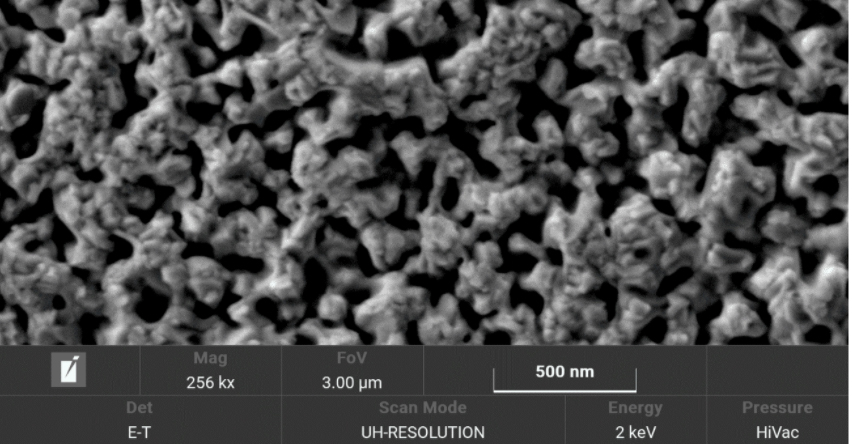
FESEM MIRA can be configured as a good “old fashion” FESEM where the advantages fundamentally come from the greater stability and luminosity of the Schottky electron gun and where we will use the classic detectors in the chamber, the E_T for secondary and a good retrograde detector. , this would be a good configuration for an industrial EDS quality control application. We are not required to add column detectors that we will not need.
If we want to be able to work at short working distances and low accelerating voltages to have high resolution, then we can configure MIRA with column detectors. In any case, we will have a robust and reliable microscope ready to work many hours a day, we are talking about a routine and microanalysis microscope.
TESCAN MIRA is available in configurations designed for inorganic samples (materials science) and in configurations for working with organic materials (biomedicine).Due to its characteristics, MIRA can be the ideal platform to incorporate techniques such as in-situ RAMAN (we add chemical analysis to EDX elemental analysis), TESCAN TIMA automatic mineral analyzer and electron beam lithography.
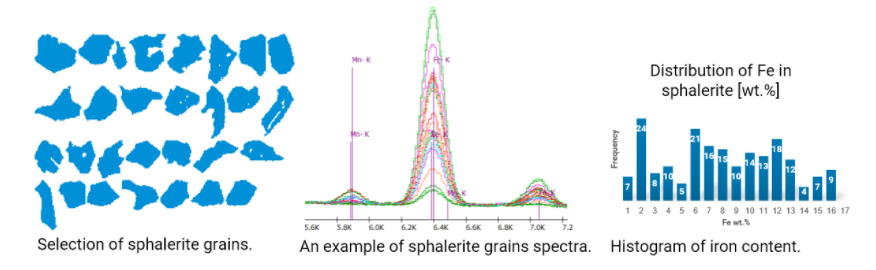
If you are used to working with optical microscopes to determine the compositions of your samples by morphological image analysis by grain size, you will be delighted to be able to do this with MIRA where it will also automatically identify the composition of each grain or phase using a EDX detector.
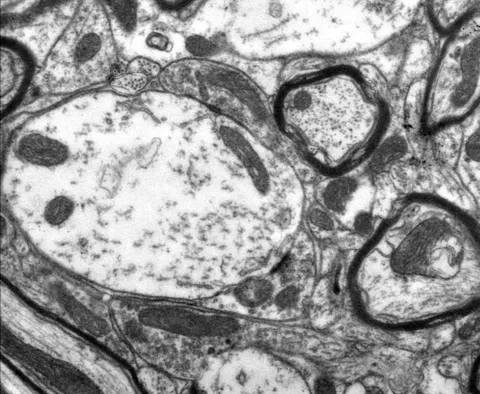
If you work with biological materials other than RAMAN; It can incorporate 3D reconstruction techniques combined with ultramicrotomes both in-situ and ex-situ, cryogenic techniques and many others.If you are accustomed to using optical microscopes with transmitted light condensers, you will be delighted to be able to study your samples with MIRA’s excellent bright field and dark field STEM detector.
TESCAN routine and microanalysis solutions
TESCAN VEGA 4
Analytical SEM for routine materials characterization, research, and micrometer-scale quality control applications.
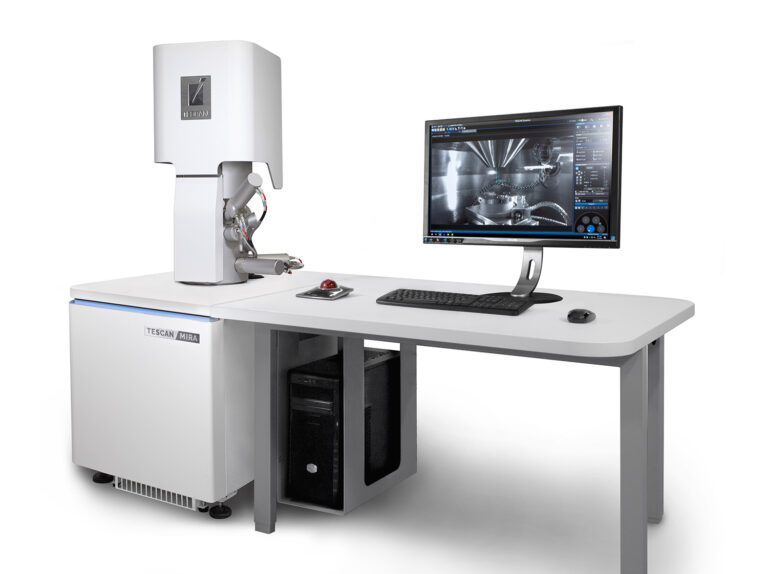
TESCAN MIRA 4
High-resolution analytical SEM for routine materials characterization, research, and submicron-scale quality control applications.